
Consultation with Healthcare Professionals for Medical Evaluation
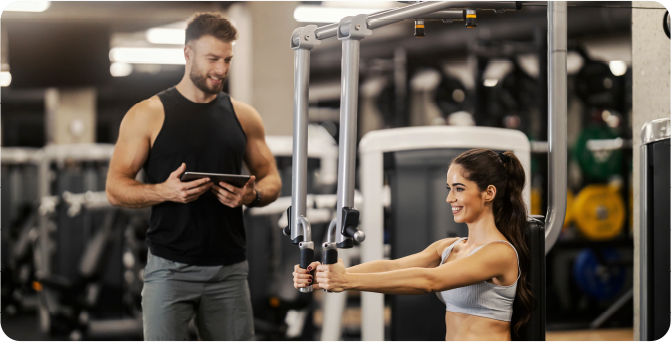
Work with healthcare providers to identify underlying conditions contributing to exercise intolerance.Personalized Exercise Plans by seeking guidance
from physical therapists or personal coach to develop a tailored exercise regimen like the following:
(A) Gradual Increase in Activity
Start Slowly:
Begin with low-intensity activities to avoid overexertion.
Progressive Overload:
Gradually increase the duration and intensity of exercise as tolerance improves.
(B) Incorporate Aerobic Exercise
Walking, Cycling, Swimming:
Engage in low-impact aerobic activities that are easier on the joints and can improve
cardiovascular fitness.
Progressive Overload:
Gradually increase the duration and intensity of exercise as tolerance improves.
(C ) Strength Training
Resistance Exercises:
Incorporate strength training to build muscle mass and improve overall physical
function.
Focus on Core and Stability:
Strengthening core muscles can enhance balance and stability, making other activities
easier.
(D) Flexibility and Stretching
Regular Stretching:
Incorporate stretching routines to improve flexibility and reduce muscle tension.
Yoga or Pilates:
These practices can enhance flexibility, strength, and relaxation.
Education and Self-Monitoring
Learn About Your Condition:
Understanding your specific limitations can empower you to engage in safe exercise
practices.
Track Progress:
Use journals or apps to monitor improvements in endurance and activity levels.
Nutrition and Hydration
Balanced Diet:
Ensure adequate nutrition to support energy levels and muscle recovery.
Stay Hydrated:
Drink enough fluids before, during, and after exercise to prevent dehydration.
Rest and Recovery
Incorporate Rest Days:
Allow time for recovery between exercise sessions to prevent fatigue and injury.
Listen to Your Body:
Pay attention to signs of overexertion and adjust activities accordingly.
Psychological Support
Counseling or Support Groups:
Consider psychological support to address any anxiety or depression related to exercise
limitations.
Motivational Techniques:
Set achievable goals and celebrate progress to maintain motivation.
Environmental Modifications
Choose Comfortable Settings:
Exercise in environments that are conducive to your comfort, whether indoors or outdoors.
Use Supportive Equipment:
Consider using assistive devices if necessary to enhance mobility and confidence.
Implementing these strategies gradually and consistently can lead to significant improvements in exercise tolerance and overall health. Always consult a healthcare professional before starting any new exercise program, especially if there are underlying health concerns.